

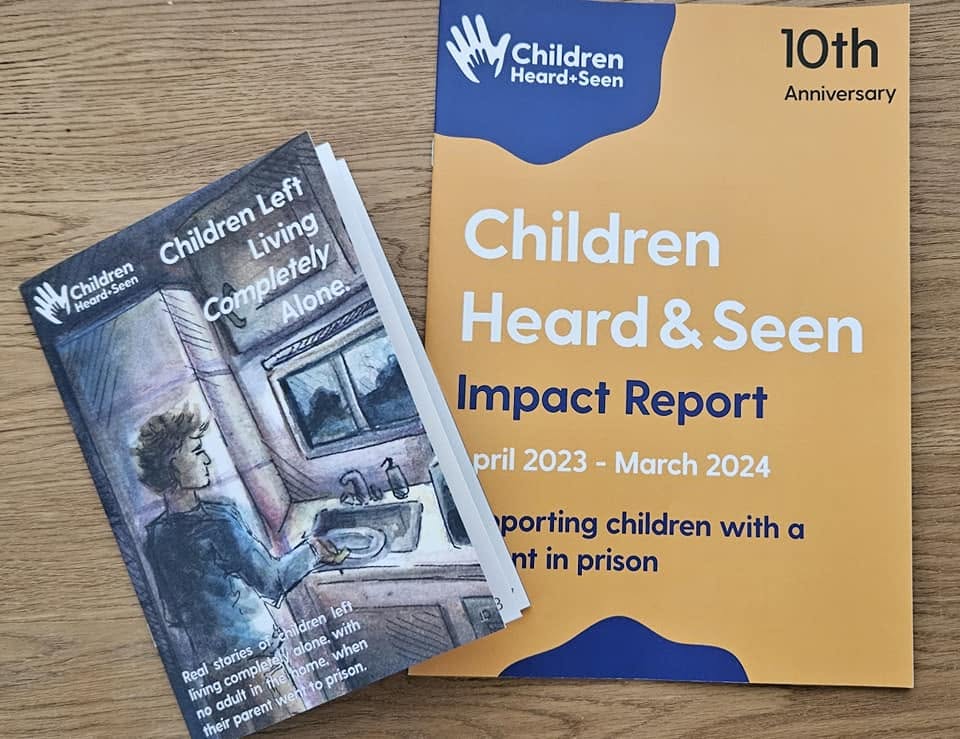
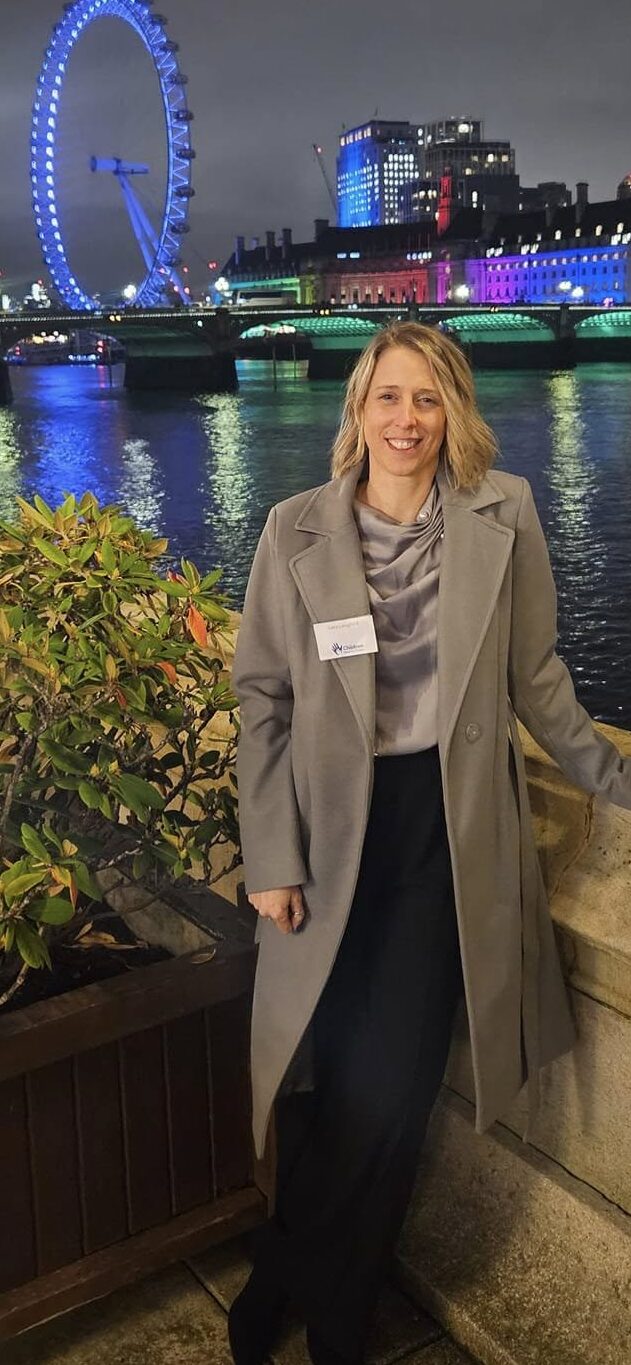
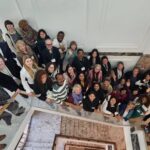
I had the privilege of attending a celebration at Westminster marking the 10th Anniversary of Children Heard and Seen. It was a wonderful opportunity to reflect on how far the charity has come and the incredible impact it continues to have on the lives of children and families affected by parental imprisonment.
The evening was also deeply personal.
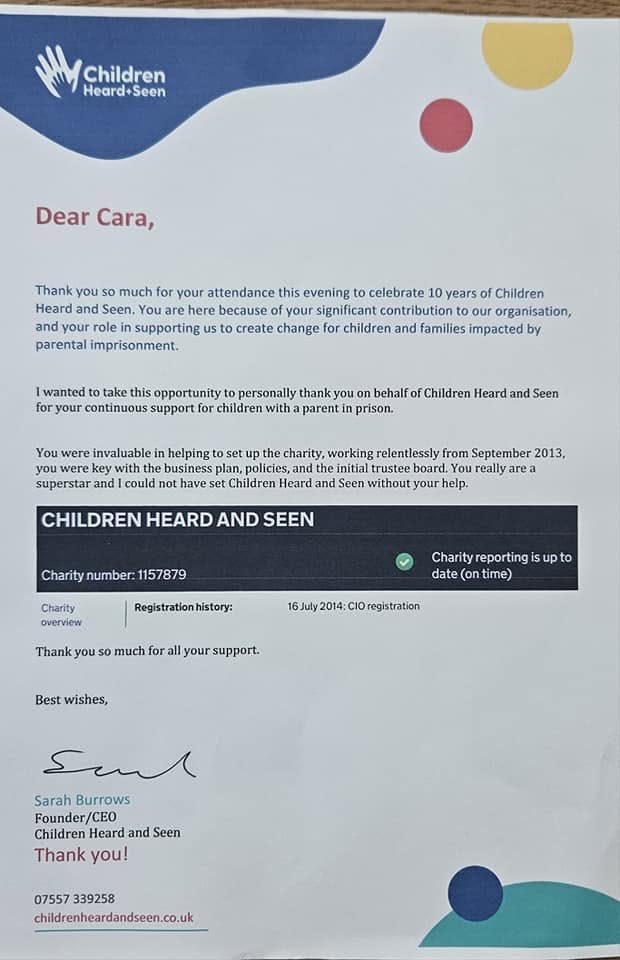
I was incredibly touched to receive a letter from the charity’s Founder and CEO, Sarah Burrows, recognising my contribution to helping establish the organisation over a decade ago. Looking back, it is hard to believe how much has grown from those early conversations and the determination of a small group of people who believed these children deserved to be seen, heard, and supported.
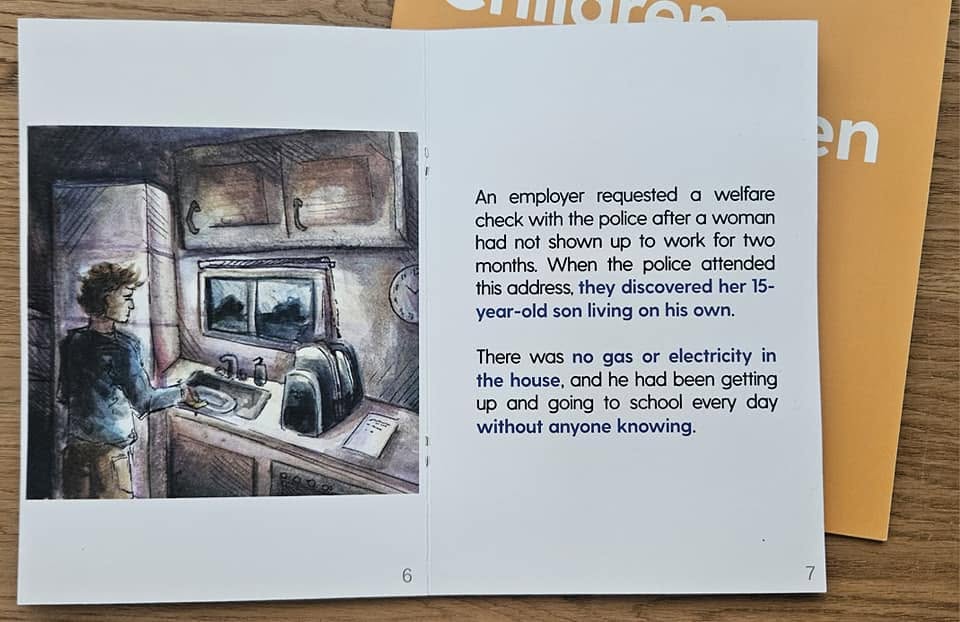
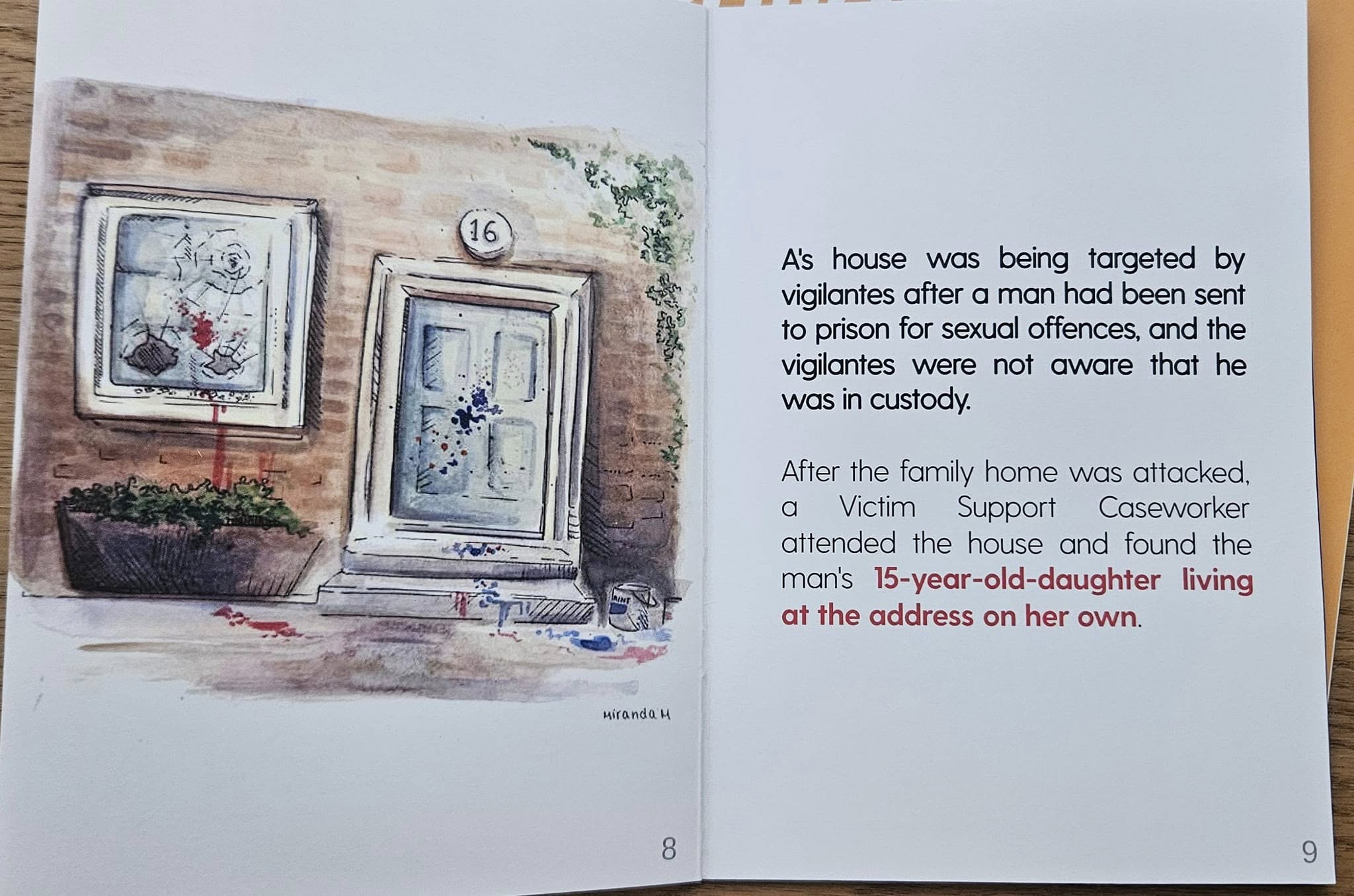
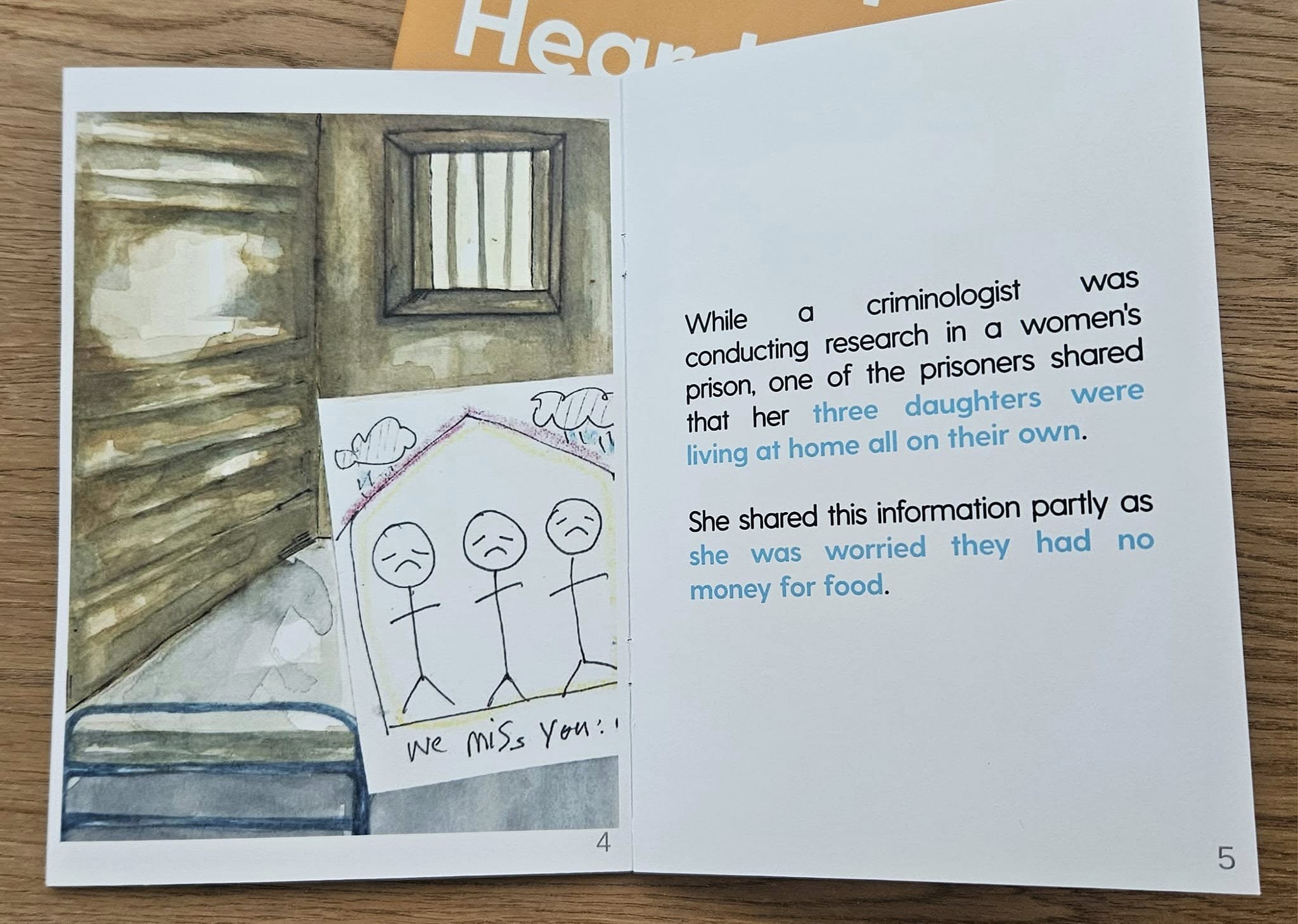
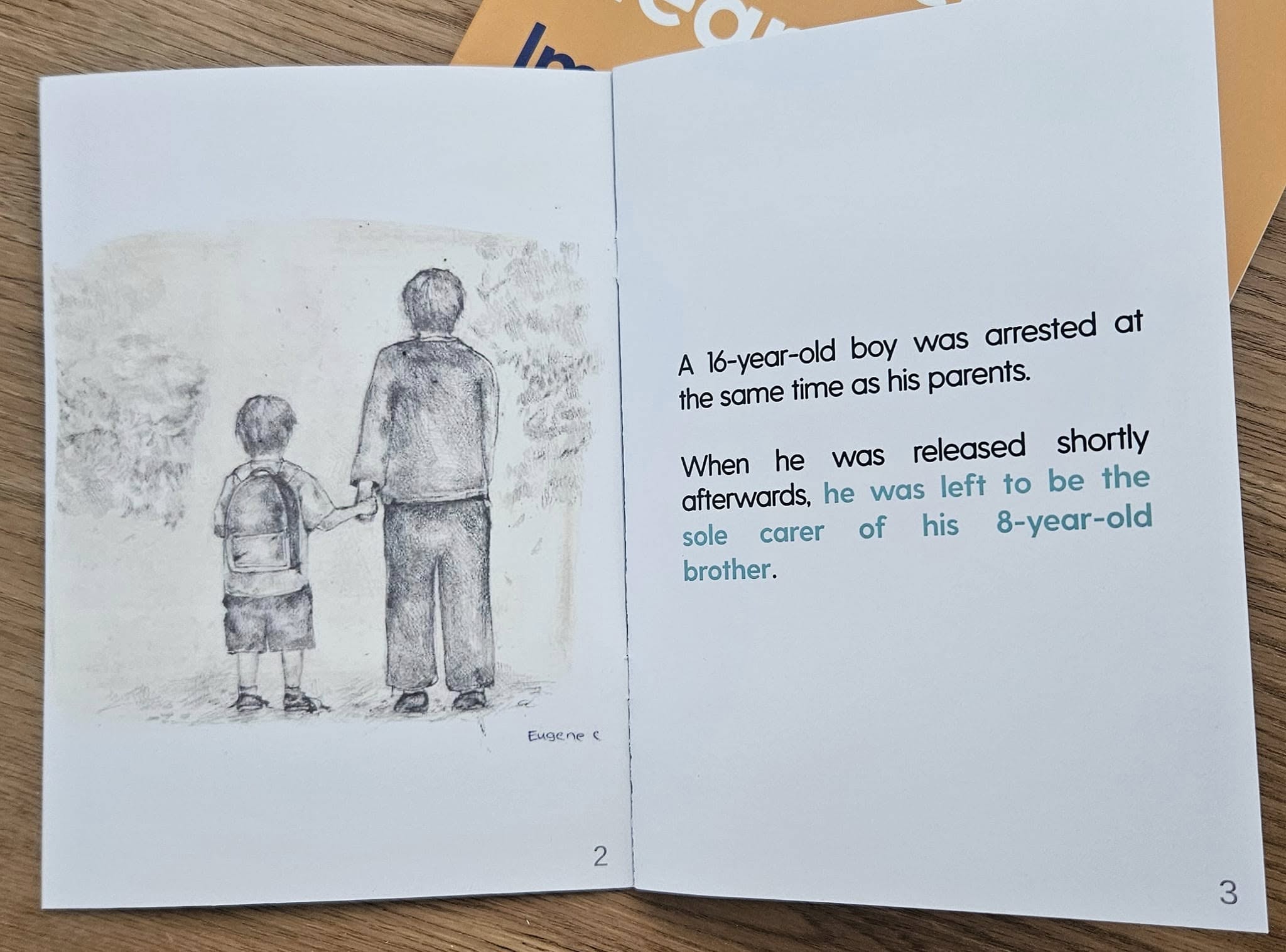
In 2013, I was instrumental in helping establish Children Heard and Seen following its initial crowdfunding campaign. I worked alongside the founding team to develop the charity’s business plan, governance, and policies, helping secure charitable status and laying the foundations for what would become one of the UK’s leading charities supporting children with a parent in prison. During its first year, I served as both Trustee and Company Secretary, helping guide the organisation through its formative stages.
In 2019, Children Heard and Seen was awarded the Queen’s Award for Voluntary Service, the highest honour bestowed upon volunteer groups in the United Kingdom and often described as the equivalent of an MBE for voluntary organisations. The award recognised the charity’s outstanding work in reducing the stigma, isolation, and disadvantage experienced by children affected by parental imprisonment.
Being part of the founding team meant that I also had the honour of receiving my second Queen’s Award for Volunteering, a recognition that remains one of the proudest moments of my voluntary career. However, the greatest achievement has never been the award itself. It has been seeing thousands of children receive the support, encouragement, and opportunities they deserve.
Children with a parent in prison are among the most overlooked groups in society. They often experience profound loss, uncertainty, financial hardship, disrupted family relationships, bullying, and social stigma. Despite having committed no offence themselves, many carry an invisible burden that can affect every aspect of their lives.
Without the right support, these children face an increased risk of poorer educational outcomes, mental health difficulties, victimisation, and, for some, future involvement with the criminal justice system. Early intervention can make an enormous difference, helping children develop resilience, build positive relationships, and imagine futures beyond the circumstances into which they were born.
This work also connects closely with my more recent research interests.
Research increasingly demonstrates that neuro differences such as ADHD and autism are overrepresented within the criminal justice system. Too often, unmet needs, misunderstanding, and systemic barriers contribute to pathways into offending rather than timely support. These neuro differences frequently run within families, meaning that many children affected by parental imprisonment may also be navigating their own neurodevelopmental needs while coping with trauma, loss, and social exclusion.
Supporting these children therefore requires more than compassion. It requires systems that recognise complexity, respond to individual needs, and seek to break cycles of disadvantage rather than reinforce them.
That is exactly what Children Heard and Seen has spent the past decade doing.
Looking back, I feel incredibly proud to have played a small part in helping create an organisation that continues to change lives every single day. Seeing the charity flourish over the past ten years has been both humbling and inspiring, and I remain enormously grateful to everyone who has dedicated their time, expertise, and compassion to making its vision a reality.
Congratulations to Sarah Burrows, the staff, volunteers, trustees, mentors, supporters, and, most importantly, the remarkable children and families whose courage continues to inspire us all.
Sometimes the greatest privilege is not being recognised for the work you did, but seeing the difference that work continues to make many years later.


Leave a Reply