

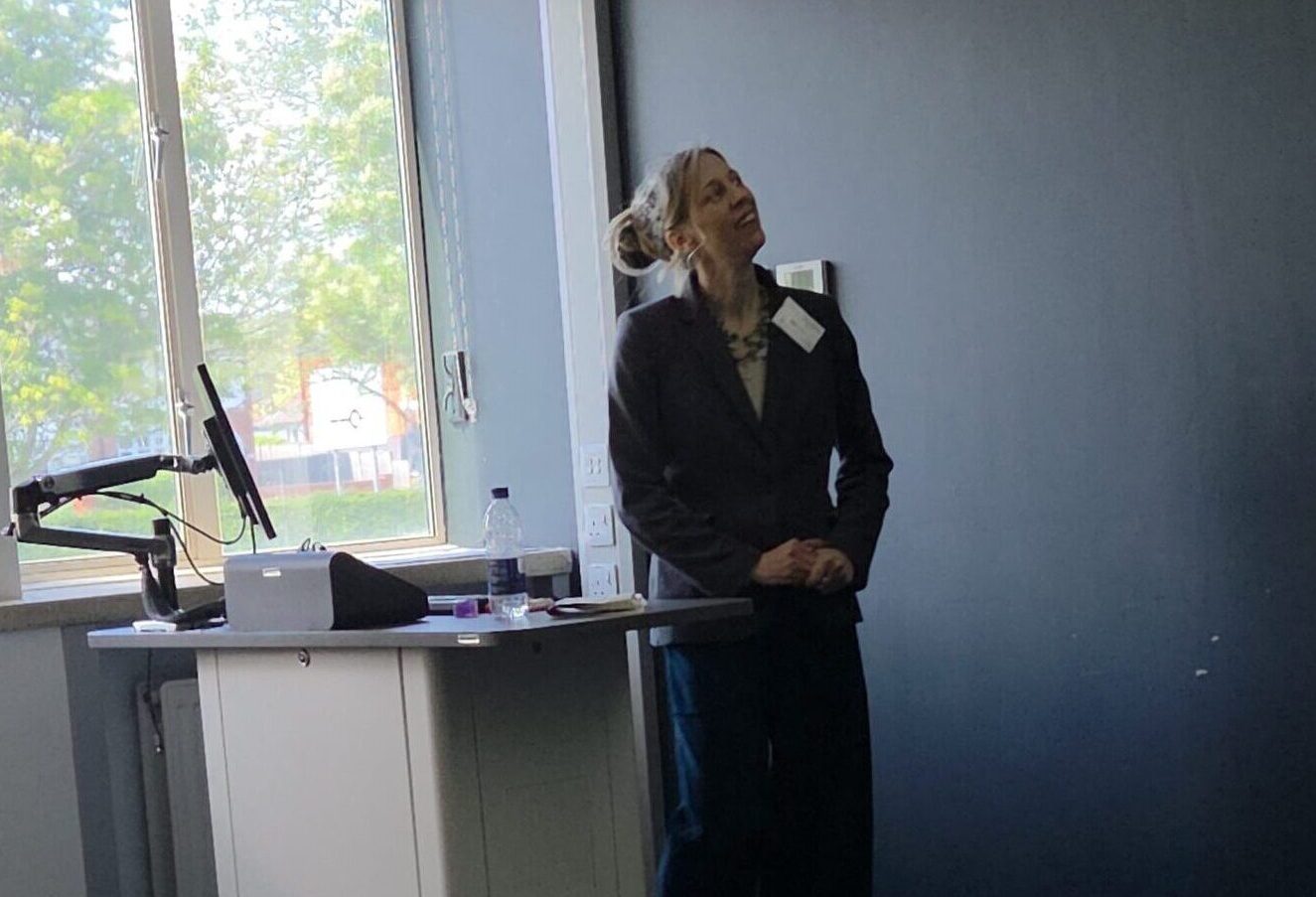
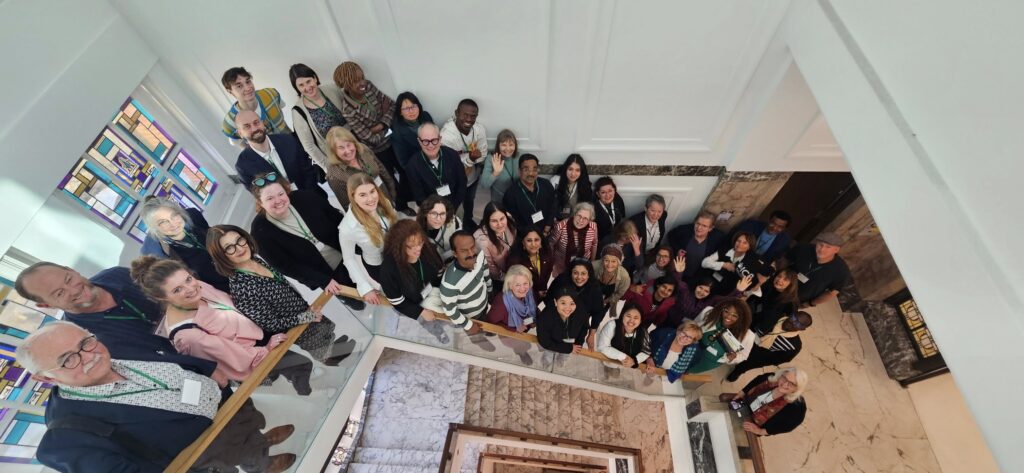
A couple of months ago, I had the pleasure of presenting at the Welsh Centre for Crime and Social Justice (WCCSJ) 2026 Conference at Wrexham University. It was two days packed with thought-provoking research, challenging conversations, and a reminder of just how broad the field of crime and social justice has become.

As is always the case with conferences, there were far more presentations than any one person could attend. I inevitably found myself experiencing the familiar academic dilemma of wishing I could be in more than one place at once.
Some presentations that particularly stood out included:
- Professor Martina Feilzer (Bangor University) – The Use of AI Technologies in Criminal Justice
- Alexandra Dobson – Corporate Liability and the Search for Senior Management
- Dr Tegan Brierley-Sollis – Indirect Trauma through an Attachment Lens: Working with Justice-Involved Children
- Edwin Duggan – Danielle’s Law: Addressing the ‘Duty to Assist’ Gap in UK Criminal Law
- Katrina Jones – Framing Positionality and Ethical Practice Using Reflexivity in Youth Justice Research
- Akrivi-Marina Roumpou (Aberystwyth University)– Police Voluntary Interviews with Children in Wales: Barriers in Independent Research
- Ali Abbawi (Bangor University) – Legal Frameworks for Combating Financial Crimes Involving Cryptocurrencies in Iraq
The range of topics reflected the increasingly interdisciplinary nature of criminal and social justice research. From artificial intelligence and cryptocurrency crime to attachment theory, youth justice, policing and legal reform, the conference highlighted how contemporary justice issues rarely sit neatly within a single discipline.
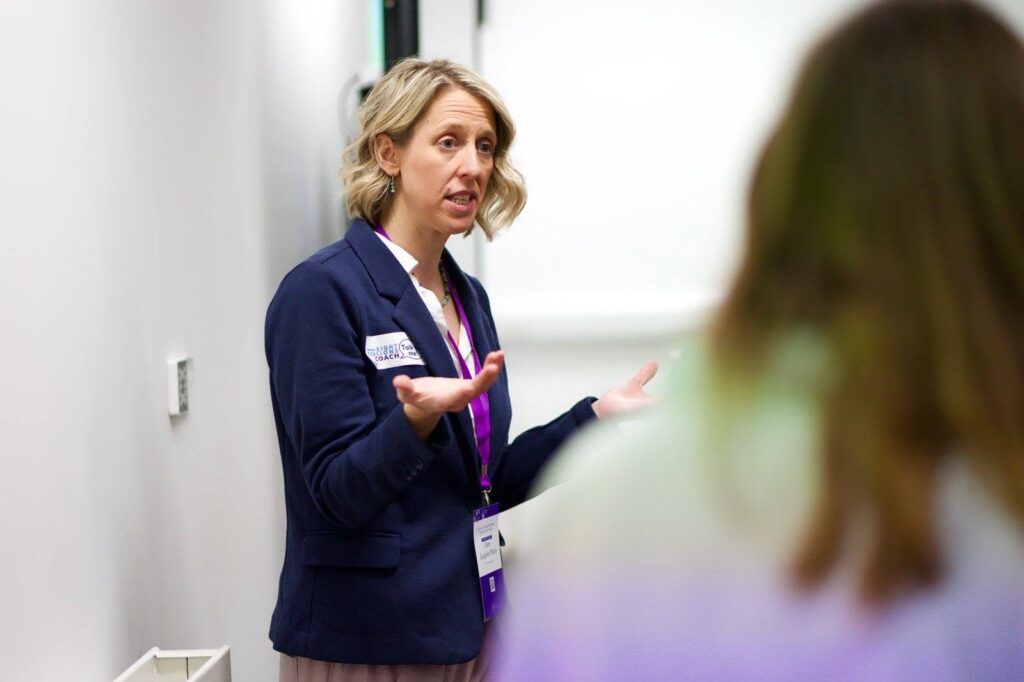
One panel discussion that particularly resonated with me was from Amanda Blakeman KPM, whose reflections on the future of policing echoed many of the themes emerging across the conference. She argued that modern policing is increasingly concerned with complex and often invisible forms of harm, including cybercrime, online abuse, coercive control and domestic abuse, that demand different skills, different technologies and, perhaps most importantly, different ways of thinking. She also reflected on the progress of women in policing and the wider structural changes needed to meet these evolving challenges.
I was also delighted to present my own paper:
Responding to Digital Harm: Capacity, Credibility, and Criminal Justice in an AI Age
The presentation explored how online harms are frequently normalised, minimised and misunderstood through the language we use, the assumptions we make about victims and perpetrators, and the institutional frameworks through which digital harms are investigated. Drawing on my own experiences alongside my doctoral research into online discourse and neutralisation techniques, I argued that many of the methodological challenges researchers encounter when studying social media- questions of credibility, evidence, platform instability, algorithmic influence and context- are remarkably similar to those now facing policing and criminal justice agencies.
As artificial intelligence continues to reshape both offending and investigation, I suggest that effective responses to digital harm will require more than technological innovation. They will also require us to critically examine the psychological, cultural and institutional assumptions that shape how credibility is constructed, how victims are believed, and how justice is delivered in increasingly digital environments.
If you would like to watch the presentation, the recording is available here:
Responding to Digital Harm: Capacity, Credibility, and Criminal Justice in an AI Age
My thanks to the Welsh Centre for Crime and Social Justice, Wrexham University, the organisers, presenters and everyone who contributed to two days of thoughtful discussion. Conferences like these remind me how valuable interdisciplinary conversations are. The challenges facing society rarely arrive in disciplinary boxes, and our research is stronger when we are willing to learn from one another.
Insights and articles
Recent Blog Posts
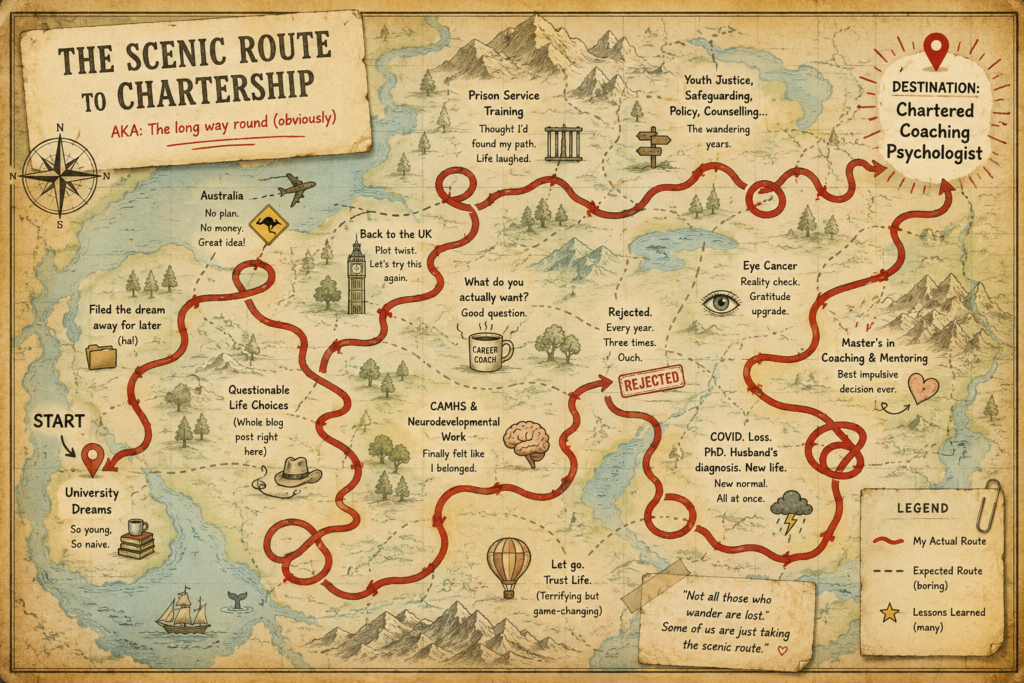
The Scenic Route to Becoming a Chartered Coaching Psychologist
Is there only one route to Chartership? Explore an inspiring journey to…
Welsh Centre for Crime and Social Justice 2026 Conference
A couple of months ago, I had the pleasure of presenting at…

Children Heard and Seen: Supporting Families Affected by Parental Imprisonment
Breaking Barriers: Building Anti-Ableist Coaching Practice
Breaking Barriers: Coaching Psychology, Institutional Ableism and Human Rights



Leave a Reply