
INSIGHTS AND ARTICLES
Coaching Psychology Blog | Curious Ideas & Reflections
Welcome to my Coaching Psychology blog, a space for curious ideas, compassionate reflections, and evidence-informed insights.
Here, I explore the questions that rarely have simple answers. From coaching psychology, neurodiversity, and leadership to grief, identity, purpose, and the complexity of being human, these articles invite you to pause, reflect, and see things from a different perspective.
Whether you’re navigating change, supporting others, or simply curious about yourself and the world around you, I hope you’ll find ideas that challenge, reassure, and inspire in equal measure.
Latest Posts
- Nature and Emotional Regulation | The Places That Hold Us


- Jason Arday: When Scrutiny Becomes Something Else

- The Scenic Route to Becoming a Chartered Coaching Psychologist
- Welsh Centre for Crime and Social Justice 2026 Conference

- Children Heard and Seen: Supporting Families Affected by Parental Imprisonment


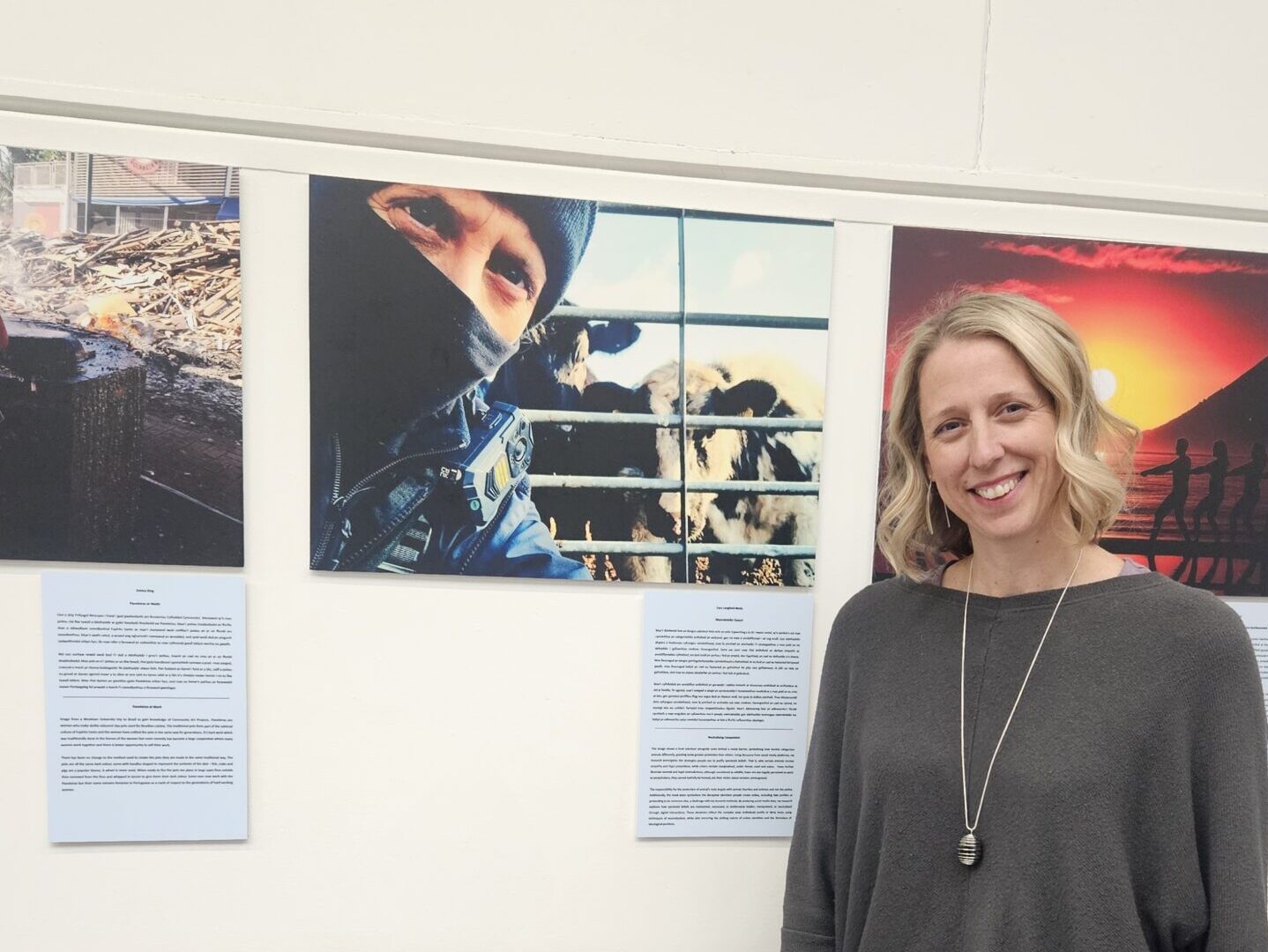

Neutralising Compassion Receives Highly Commended Award in Wrexham University Visualising Research Competition 2025
I am delighted that my visual research entry, Neutralising Compassion, received a Highly Commended Award in…


Autism Awareness at the Canadian Imperial Bank of Commerce
Drawing on my research and practice, I explored why autism is still so often misunderstood in…
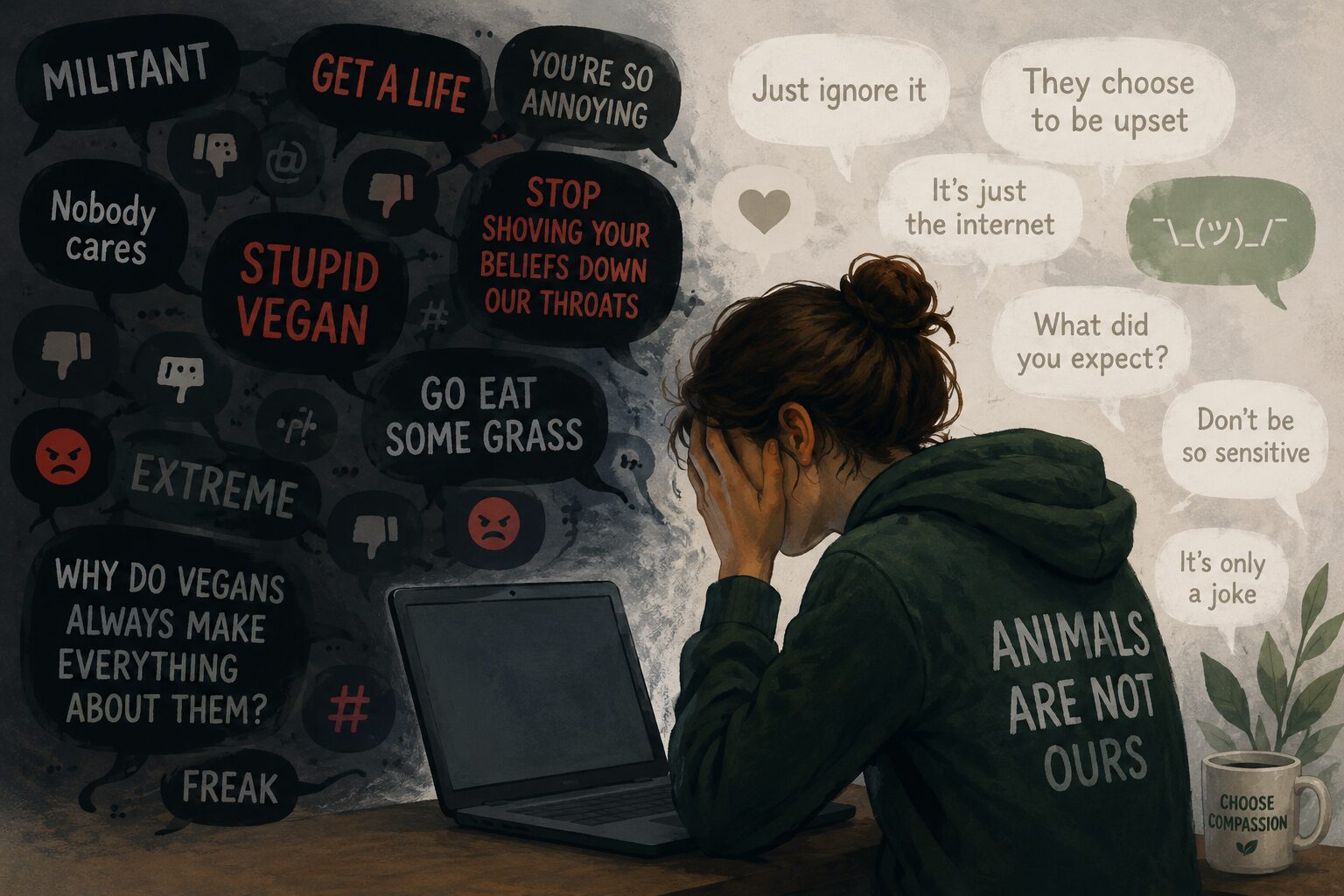

When online harm is explained away: vegans, harassment and the curious expectation that we should all just put up with it
When vegans are subjected to online abuse, threats, or harassment, the response is often not concern…
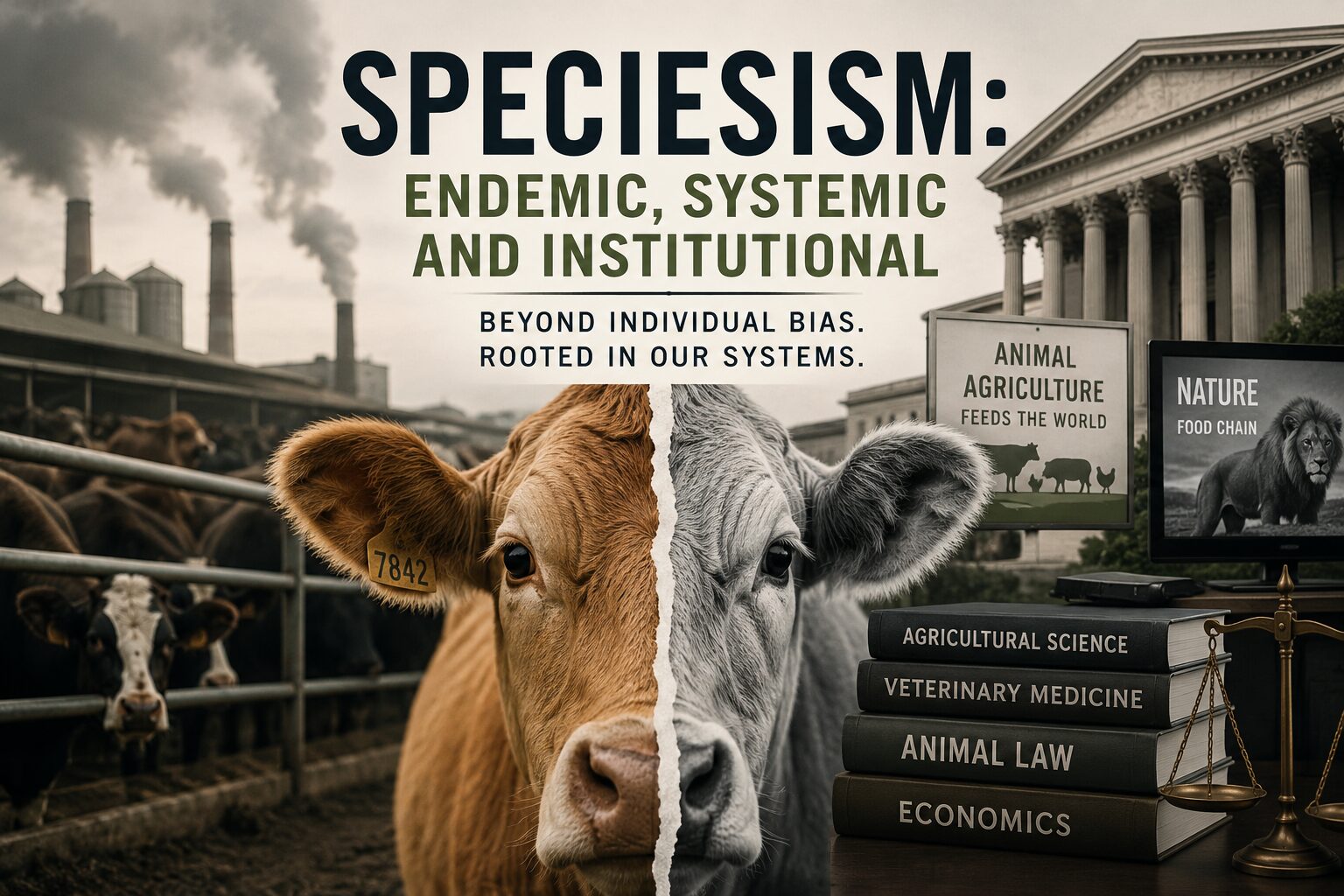
Speciesism is endemic, systemic and institutional
Speciesism is often treated as a matter of individual prejudice, but what if it runs much…


Belonging, Bias and the Ethics of Justification: Online Discourses of Animal Consumption and Climate Inaction
This article explores how online conversations about animal consumption and climate inaction are shaped not only…
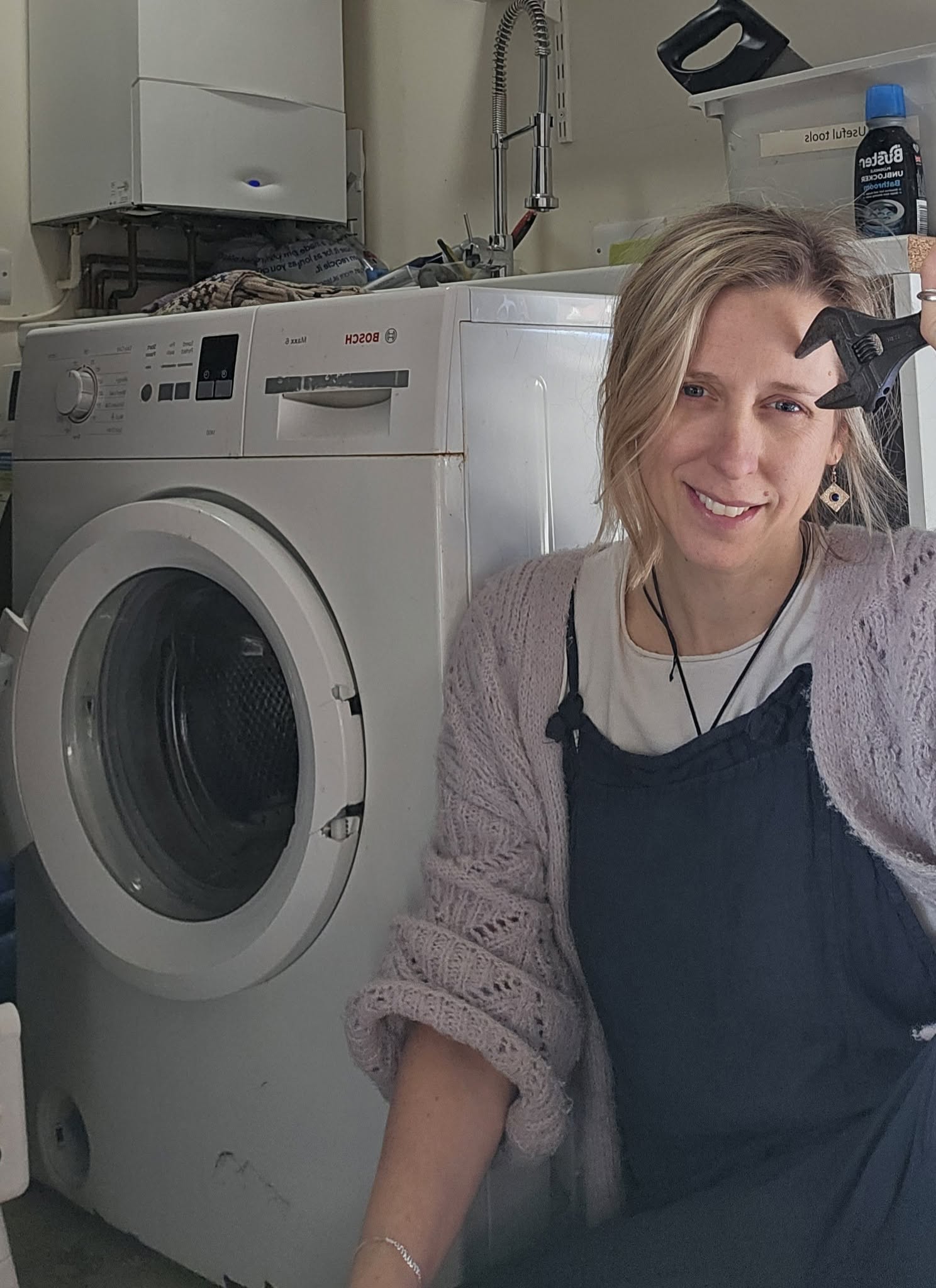

The Spin Cycle of Being Alone
A blocked washing machine shouldn’t feel existential, and yet somehow it does. This reflective piece explores…

For the Love of Peace: Neoliberalism’s False Promise
We are told that peace comes from being stronger than everyone else. That safety comes from…


You Don’t Understand My Perspective
What if understanding someone’s perspective and agreeing with them are not the same thing? In conflict,…


The Nature of Deception: Why People Protest Truth, Honesty, and Innocence
Human deception is rarely as simple as a deliberate choice to lie. Research across psychology, behavioural…

What Does It Mean to Be a Woman?
In this reflective piece, I explore a question that often appears simple but is anything but:…
How I write: AI and accessibility
I use AI tools as assistive technology to support my writing, particularly with the challenges I experience around dyslexia. They help me organise my thoughts, develop and revise drafts, create a clear structure, and work through wording, spelling and grammar. Having ideas is rarely the problem; persuading them into an orderly queue can be.
Using these tools allows me to focus more of my energy on what I want to communicate, rather than the mechanics of getting it onto the page. My work is shaped by my knowledge, experience and critical reflection. I make the final editorial decisions and take responsibility for what I publish. AI supports my process; it does not replace my judgement.